Konnichiwa! Are you ready to embark on an incredible journey through one of the world’s most dynamic and fascinating cities? Tokyo, Japan’s vibrant capital (首都, しゅと, shuto), is a captivating blend of ancient traditions and futuristic innovation.
This article will guide you through Tokyo’s rich history, diverse culture, and unforgettable sights, all while helping on your journey learning Japanese along the way! Let’s begin our adventure!
A Glimpse into Tokyo’s History
Tokyo’s story is one of remarkable transformation. Before it was Tokyo, the city was known as Edo. In 1603, Tokugawa Ieyasu established his shogunate here, making Edo the de facto political center of Japan. For over 250 years, Edo flourished under the rule of the Tokugawa shoguns (将軍, しょうぐん, shōgun), becoming one of the largest cities in the world. It was a period of peace and great cultural development, and you can still feel the echoes of this era in certain parts of the city.
Tokyo’s Culture
Tokyo’s culture is a fascinating study in contrasts, a seamless fusion of ancient traditions (伝統, でんとう, dentō) and cutting-edge modernity (現代, げんだい, gendai). It’s a city where you can watch a centuries-old Shinto festival procession pass by a skyscraper streaming digital advertisements. You can find a moment of perfect tranquility in a meticulously kept garden, then turn a corner and be swept up in the neon energy of a district dedicated to the future. This balance between preserving the past and relentlessly pursuing innovation is the defining characteristic of Tokyo’s spirit.
Beyond the visible sights, Tokyo’s culture thrives on unspoken social principles. Central to this is the concept of おもてなし (omotenashi), which translates to Japanese hospitality. It is a deep-rooted, selfless desire to anticipate a guest’s needs and provide the best possible experience, visible in the immaculate service everywhere from fine dining restaurants to convenience stores. You’ll also feel the importance of group harmony or 和 (わ, wa), which manifests as the polite, orderly conduct on public transport and the surprising quietness of its residential streets. This collective respect is what allows such a massive city to function so smoothly.
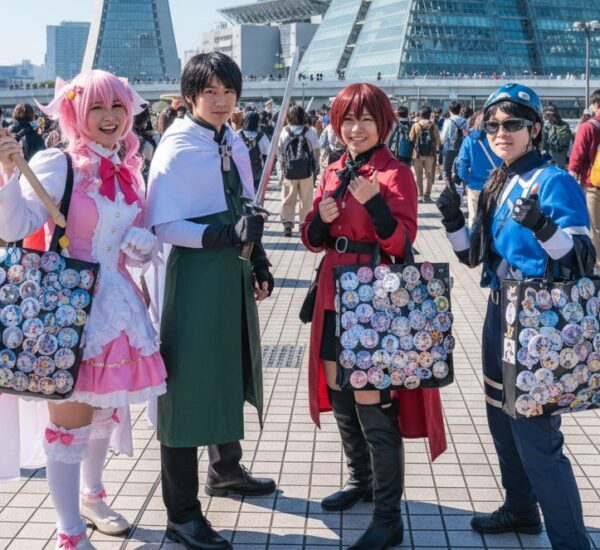
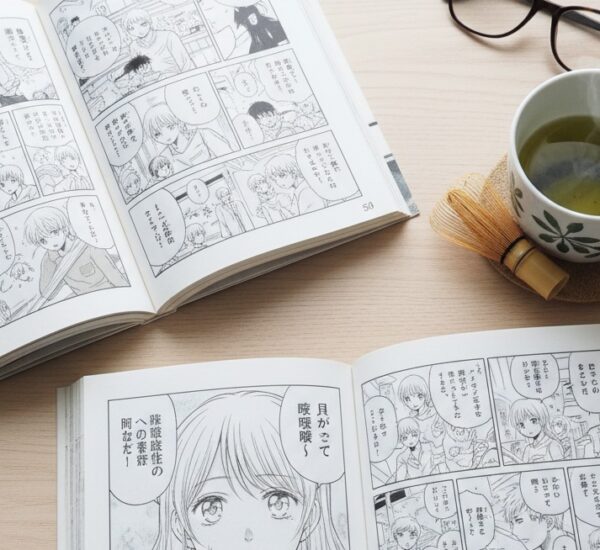
As the global epicenter of Japanese pop culture, Tokyo is a playground for self-expression. In Harajuku, you can witness “fashion tribes” showcasing unique and elaborate street styles, from Lolita to Decora. Meanwhile, Akihabara is the heartland of オタク (otaku) culture, a world dedicated to passionate fans of anime, manga, video games, and idol groups. This constant creation and recreation of trends make Tokyo a vibrant, ever-changing city where new cultural movements are always just around the corner.
Must-See Sights in Tokyo
Tokyo offers an endless array of attractions. Must-see sights include:
- Senso-ji Temple (浅草寺): Step back in time at Tokyo’s oldest temple. Enter through the massive Kaminarimon (Thunder Gate) with its iconic red lantern, browse for traditional snacks and souvenirs along the bustling Nakamise-dori street, and purify yourself with incense smoke at the main hall.
- Shibuya Scramble Crossing (渋谷スクランブル交差点): Witness the organized chaos of the world’s busiest intersection. For a great view, head to the second floor of the Starbucks across the street. Don’t forget to visit the nearby statue of Hachiko, the loyal dog who has become a beloved meeting spot.
- Meiji Jingu Shrine (明治神宮): A tranquil oasis in the middle of the city, this shrine is dedicated to the spirits of Emperor Meiji and Empress Shoken. Walk through the towering wooden torii gates and wander through the dense forest, a peaceful escape right next to the vibrant Harajuku area.
- Shinjuku Gyoen National Garden (新宿御苑): Escape the city’s hustle in this stunningly beautiful park. It features three distinct styles: a traditional Japanese Garden with ponds and pagodas, a formal French Garden, and a spacious English Landscape garden. It’s a top spot for cherry blossom viewing in the spring.
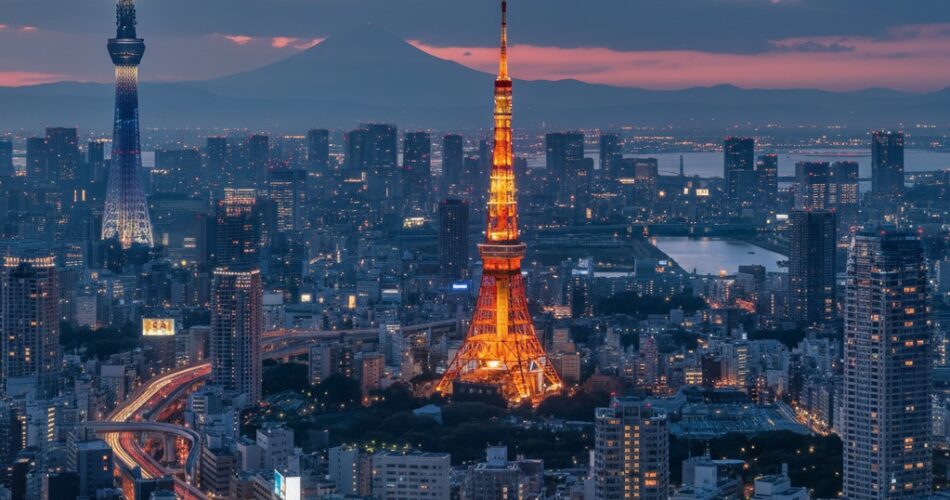
- Tokyo Skytree (東京スカイツリー): Soar 634 meters into the sky for breathtaking panoramic views. This broadcasting tower has two observation decks: the Tembo Deck at 350m and the Tembo Galleria, a spiral skywalk that takes you up to 450m for the highest vantage point.
- Harajuku & Takeshita-dori (原宿・竹下通り): Dive into the heart of Tokyo’s youth culture and “kawaii” (cute) fashion. Takeshita-dori is a vibrant, pedestrian-only street packed with colorful boutiques, themed cafes, and stands selling giant rainbow cotton candy and delicious crepes.
- Akihabara Electric Town (秋葉原電気街): The ultimate destination for fans of anime, manga, and video games. Explore multi-story arcades, hunt for rare collectibles, experience a themed maid cafe, and browse floors upon floors of the latest electronics.
- Ueno Park (上野公園): A large cultural hub that’s home to some of Tokyo’s best museums, including the Tokyo National Museum and the National Museum of Nature and Science. The park also contains Ueno Zoo, several beautiful shrines and temples, and a large pond.
- Imperial Palace (皇居): The primary residence of the Emperor of Japan. While the inner palace grounds are private, you can visit the lovely East Garden (Higashi Gyoen), which was the site of the former Edo Castle. It’s a beautiful spot for a walk surrounded by moats and massive stone walls
Unique Experiences & Things to Do
Beyond the famous landmarks, Tokyo offers countless activities that allow you to dive deeper into its culture.
- Immerse Yourself in Digital Art at teamLab: Visit one of the teamLab digital art museums (Planets or the new Borderless) for a mind-bending experience. These interactive exhibits use light, sound, and technology to create stunning worlds that you can walk through and become a part of.
- Explore a Depachika Food Hall: Head to the basement floor of a major department store like Isetan or Mitsukoshi to find a “depachika.” This is a gourmet paradise filled with exquisite sweets, perfectly crafted bento boxes, high-end produce, and free samples. It’s a feast for the senses.
- Have a Drink in Shinjuku’s Golden Gai: Experience Tokyo’s old-school nightlife by navigating the narrow alleyways of Golden Gai. This area is packed with tiny, atmospheric bars, each with its own unique theme and character, often seating only a handful of customers at a time.
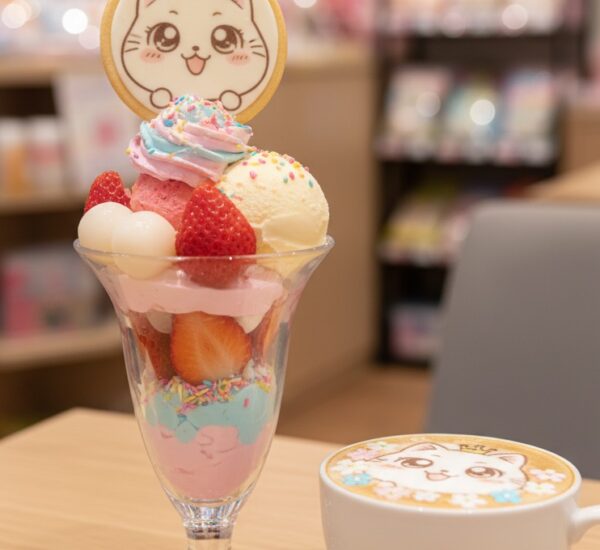
- Visit a Themed Cafe: Tokyo is famous for its quirky themed cafes. You can relax with cats at a cat cafe, meet owls at an owl cafe, or dine in a world dedicated to your favorite anime characters. It’s a fun glimpse into a unique part of modern Japanese culture.
- Watch a Sumo Practice: While official tournaments are rare, many “stables” (beya) in the Ryogoku district allow visitors to watch the early morning practice sessions (asa-geiko). It’s a powerful and authentic way to witness the dedication of these incredible athletes. (Requires advance booking and respectful silence).
Tokyo’s Food Scene
Tokyo is a paradise for foodies! From Michelin-starred restaurants to humble stalls tucked under railway tracks, the culinary scene is incredibly diverse. While you can find any Japanese dish here, Tokyo has its own local specialties:
- Edo-mae Sushi (江戸前寿司): This is the original Tokyo-style sushi, born when the city was called Edo. The term “Edo-mae” means “in front of Edo” and originally referred to fish caught in Tokyo Bay. To preserve the fresh catch in a time before refrigeration, chefs would cure the fish with salt or vinegar, giving it a distinct, complex flavor.
- Monjayaki (もんじゃ焼き): Head to the Tsukishima neighborhood to try this savory pancake, which is Tokyo’s answer to Osaka’s okonomiyaki. It’s made with a much more watery batter, which is poured onto a griddle to form a thin base before mixing in ingredients like cabbage, seafood, and meat. You eat it directly off the grill using tiny spatulas!
- Tsukemen (つけ麺): While ramen is everywhere, Tokyo is fanatical about tsukemen, or “dipping noodles.” You’re served a bowl of cold, thick noodles alongside a separate bowl of intensely flavorful, hot broth. You then dip the noodles into the broth for each bite. Many of Japan’s most famous tsukemen shops are in Tokyo.
- Chankonabe (ちゃんこ鍋): In the Ryogoku district, Tokyo’s sumo capital, you can eat like a wrestler. Chankonabe is a hearty, protein-rich hot pot packed with meat, seafood, and vegetables, designed to help sumo wrestlers gain weight. Many restaurants are run by retired wrestlers.
— Useful Phrase in Tokyo —
駅はどこですか。
えきはどこですか。
Eki wa doko desu ka?
Where is the station?
駅 (えき, eki) = Station
はどこですか (はどこですか, wa doko desu ka) = Where is?
— Language Corner Tokyo —
歴史 (れきし, rekishi) – History
文化 (ぶんか, bunka) – Culture
伝統 (でんとう, dentō) – Tradition
現代 (げんだい, gendai) – Modern times
景色 (けしき, keshiki) – Scenery, view
Japanese for Your Tokyo Adventures
— At the Train Station (駅にて) —
山手線 (やまのてせん, Yamanote-sen) – Yamanote Line (the city’s main loop line)
切符 (きっぷ, kippu) – Ticket
出口 (でぐち, deguchi) – Exit
ホーム (ほーむ, hōmu) – Platform
Useful phrase
渋谷行きは何番線ですか?
しぶやゆきはなんばんせんですか?
Shibuya-yuki wa nan-bansen desu ka?)
What platform is it for Shibuya?
— At a Japanese Cafe (カフェにて) —
抹茶 (まっちゃ, matcha) – Matcha (powdered green tea)
和菓子 (わがし, wagashi) – Traditional Japanese sweets
おすすめ (おすすめ, osusume) – Recommendation
Useful phrase
抹茶を一つお願いします。
まっちゃをひとつおねがいします
Matcha o hitotsu onegai shimasu.) – One matcha, please
— Watching Sumo Practice (相撲部屋にて) —
力士 (りきし, rikishi) – Sumo wrestler
稽古 (けいこ, keiko) – Practice / Training
土俵 (どひょう, dohyō) – Sumo ring
Useful phrase
写真を撮ってもいいですか?
しゃしんをとってもいいですか?
Shashin o totte mo ii desu ka?
Is it okay to take a picture?
Read More: