“Kawaii” (かわいい) is one of Japan’s most famous words. It is more than just an adjective. It is a vast cultural aesthetic. This culture influences fashion, food, language, and even government. Words like “kawaii” and mascots like “Hello Kitty” are globally recognized. Understanding this concept is key to understanding modern Japanese pop culture.
This guide explores the world of kawaii. We will cover its history, from 1970s handwriting to modern fashion. We’ll also look at how it shapes language and food. This guide will help you understand the deep meaning of “cute” in Japan.
What Does “Kawaii” (かわいい) Actually Mean?
The word “kawaii” (可愛い) has a deep history. It originally comes from “kaohayushi” (顔映ゆし), meaning one’s face is glowing, often from blushing or embarrassment. This evolved to mean pitiable or pathetic. Over time, this sense of “pitiable” shifted to “small and endearing,” like a child or baby. Today, it means “cute,” “adorable,” or “loveable.” It is different from the English “cute,” as “kawaii” implies a sense of innocence, gentleness, and a need for protection. Something can be “kawaii” because it is small and pitiable.
— The Word “Kawaii” —
この犬はとても可愛いですね。
このいぬはとてもかわいいですね。
Kono inu wa totemo kawaii desu ne.
This dog is very cute, isn’t it?
この (kono) = This
犬 (いぬ, inu) = Dog
は (wa) = Topic marker
とても (totemo) = Very
可愛い (かわいい, kawaii) = Cute / Adorable
ですね (desu ne) = …isn’t it? (seeking agreement)
— The “Pitiable” Nuance —
彼は可哀想な人です。
かれはかわいそうなひとです。
Kare wa kawaisō na hito desu.
He is a pitiable person.
彼 (かれ, kare) = He
可哀想 (かわいそう, kawaisō) = Pitiable / Pathetic (shares the same root)
な (na) = Adjective marker
人 (ひと, hito) = Person
です (desu) = Is
The Birth of Cute: A Brief History
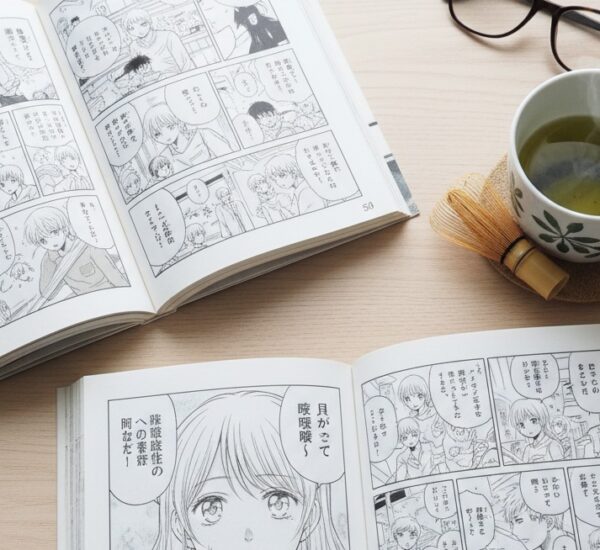
The modern kawaii boom has clear roots. It began in the 1970s with a youth rebellion. Teenage girls started using “maru-moji” (丸文字), or “round writing.” This style used rounded, child-like characters and small pictures (like hearts or stars). It was a protest against rigid, adult-like writing. At the same time, “shōjo manga” (少女漫画), or comics for girls, became very popular. These comics featured characters with huge, sparkling eyes (きらきらな目, kirakira na me) and emotional stories. This combination of child-like writing and expressive, innocent art created the foundation for the kawaii aesthetic.
— Essential History Vocabulary —
丸文字 (まるもじ, Maru-moji) – “Round writing” (the 1970s cute handwriting style)
少女漫画 (しょうじょまんが, Shōjo Manga) – Comics for young girls
きらきら (キラキラ, Kira-kira) – Sparkling / Glittering (often used to describe eyes in manga)
乙女 (おとめ, Otome) – A maiden / young, pure girl
かわいい文化 (かわいいぶんか, Kawaii Bunka) – Kawaii Culture
歴史 (れきし, Rekishi) – History
The “Kawaii Kotoba” (かわいい言葉): Speaking Cutely
Kawaii culture heavily influences “kotoba” (言葉), or language. This is often seen in “burikko” (ぶりっ子), a person (usually female) who acts intentionally child-like or cute. This speech style involves using a higher “koe no pitchi” (声のピッチ), or vocal pitch. It also uses a lot of “giongo/gitaigo” (擬音語・擬態語), or onomatopoeia. For example, “kira-kira” (キラキラ) for sparkling, “fuwa-fuwa” (ふわふわ) for fluffy, or “waku-waku” (ワクワク) for being excited. Language is also made cuter by adding suffixes like “-chan” (ちゃん) to names or even using cute filler words.
— Using Onomatopoeia —
このケーキはふわふわです。
このけーきはふわふわです。
Kono kēki wa fuwa-fuwa desu.
This cake is fluffy.
この (kono) = This
ケーキ (kēki) = Cake
は (wa) = Topic marker
ふわふわ (fuwa-fuwa) = Fluffy (onomatopoeia)
です (desu) = Is
— Essential Kawaii Language —
言葉 (ことば, Kotoba) – Word / Language
擬音語 (ぎおんご, Giongo) – Onomatopoeia (for sounds)
擬態語 (ぎたいご, Gitaigo) – Onomatopoeia (for states or actions)
キラキラ (kira-kira) – Sparkling
ワクワク (waku-waku) – Excited / Trembling with anticipation
ふわふわ (fuwa-fuwa) – Fluffy / Soft
ぶりっ子 (ぶりっこ, Burikko) – A person who acts cute/child-like
声のピッチ (こえのぴっち, Koe no Petchi) – Vocal pitch (“pitch of voice”)
Ambassadors of Cute: Hello Kitty and the “Yuru-kyara” (ゆるキャラ)
Mascots are the “ambassadors” (大使, taishi) of kawaii. The most famous is “Hello Kitty” (ハローキティ), created by Sanrio in 1974. She is a global icon of Japanese soft power. But Japan also has thousands of local mascots. These are called “yuru-kyara” (ゆるキャラ), which means “loose” or “relaxed characters.” They represent “todōfuken” (都道府県), or prefectures, cities, and even local businesses. A famous example is “Kumamon” (くまモン) from Kumamoto Prefecture. These mascots are loved for their simple, often slightly imperfect, designs.
— Talking About Mascots —
くまモンは熊本県のゆるキャラです。
くまもんはくまもとけんのゆるきゃらです。
Kumamon wa Kumamoto-ken no yuru-kyara desu.
Kumamon is the “yuru-kyara” (local mascot) of Kumamoto Prefecture.
くまモン (Kumamon) = Kumamon (mascot name)
熊本県 (くまもとけん, Kumamoto-ken) = Kumamoto Prefecture
の (no) = ‘s (of)
ゆるキャラ (yuru-kyara) = Relaxed character / Local mascot
です (desu) = Is
— Essential Mascot Vocabulary —
ゆるキャラ (Yuru-kyara) – “Relaxed character” / local mascot
マスコット (Masukotto) – Mascot
ハローキティ (Harō Kiti) – Hello Kitty
くまモン (Kumamon) – Kumamon (mascot)
都道府県 (とどうふけん, Todōfuken) – Prefectures (Japan’s 47 regions)
ご当地 (ごとうち, Gotōchi) – Local (e.g., local mascot, local food)
Dressing the Part: Kawaii Fashion from Harajuku to Home
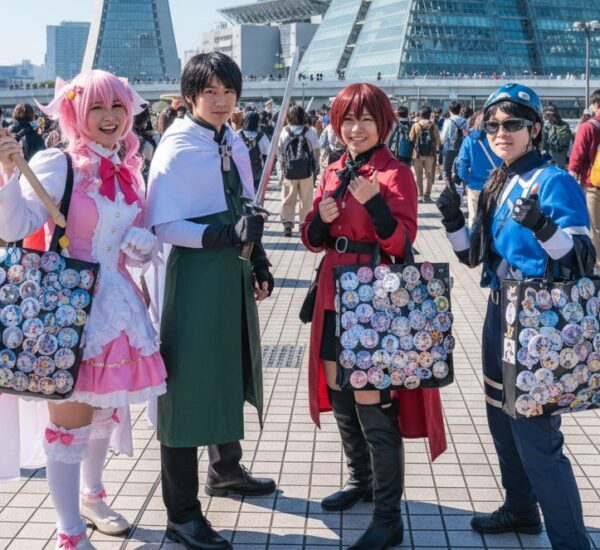
“Harajuku” (原宿) is the world-famous center of Japanese street fashion (ファッション, fasshon). Many kawaii styles were born here. “Lolita” (ロリータ) is one of the most famous, focusing on Victorian-era “fuku” (服), or clothes, with petticoats and lace. “Decora” (デコラ) is a style defined by “akusesarī” (アクセサリー), or accessories, with countless colorful layers and hair clips. “Fairy Kei” (フェアリー系) is a softer style using pastel colors, 80s motifs, and a dreamy, whimsical look. These styles are all expressions of kawaii identity.
— Talking About Fashion —
原宿でロリータの服を買いたいです。
はらじゅくでろりーたのふくをかいたいです。
Harajuku de Rorīta no fuku o kaitai desu.
I want to buy Lolita clothes in Harajuku.
原宿 (Harajuku) = Harajuku (a place in Tokyo)
で (de) = at (location particle)
ロリータ (Rorīta) = Lolita
の (no) = ‘s (of)
服 (ふく, fuku) = Clothes
を買いたいです (をかいたいです, o kaitai desu) = want to buy
— Essential Fashion Vocabulary —
ファッション (Fasshon) – Fashion
服 (ふく, Fuku) – Clothes
ロリータ (Rorīta) – Lolita (fashion style)
デコラ (Dekora) – Decora (fashion style)
フェアリー系 (フェアリーけい, Fearī Kei) – Fairy Kei (fashion style)
原宿 (はらじゅく, Harajuku) – Harajuku (fashion district)
アクセサリー (Akusesarī) – Accessory
パステル (Pasuteru) – Pastel (colors)
The Taste of Cute: Bento Boxes and Character Cafés
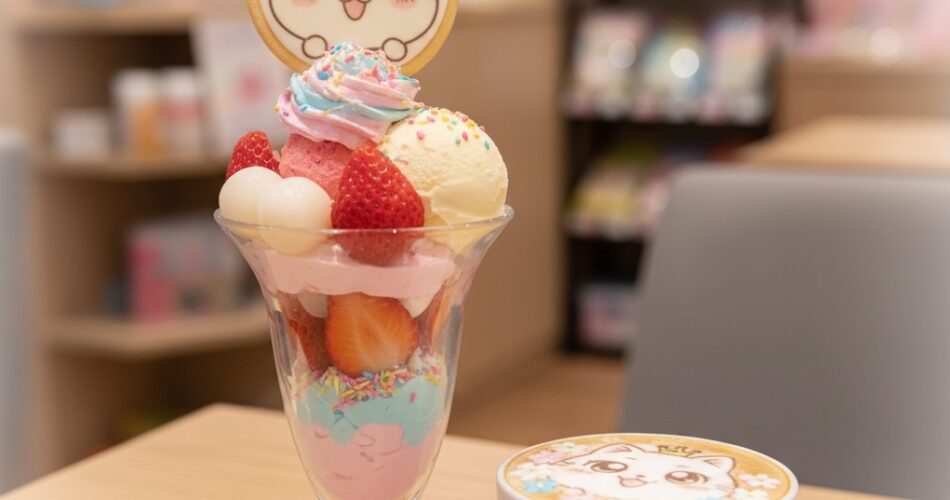
The kawaii aesthetic is also “oishii” (美味しい), or delicious. The most famous example is the “kyaraben” (キャラ弁), or “character bento.” This is an “obentō” (お弁当), or lunchbox, where the “tabemono” (食べ物), or food, is arranged to look like cute characters or animals. This is common for children’s lunches. You can also find “kyarakafē” (キャラカフェ), or “character cafés.” These themed restaurants serve food and drinks, like “rattē āto” (ラテアート) or curry, shaped like famous characters from Sanrio, Pokémon, or anime.
— Talking About Cute Food —
ポケモンカフェのラテアートは可愛いです。
ぽけもんかふぇのらてあーとはかわいいです。
Pokemon Kafē no rattē āto wa kawaii desu.
The latte art at the Pokémon Café is cute.
ポケモンカフェ (Pokemon Kafē) = Pokémon Café
の (no) = ‘s (of)
ラテアート (Rattē Āto) = Latte Art
は (wa) = Topic marker
可愛い (かわいい, kawaii) = Cute
です (desu) = Is
— Essential Food Vocabulary —
食べ物 (たべもの, Tabemono) – Food
お弁当 (おべんとう, Obentō) – Lunchbox
キャラ弁 (きゃらべん, Kyaraben) – “Character bento” (cute lunchbox)
キャラカフェ (きゃらかふぇ, Kyara-kafē) – “Character café” (themed café)
ラテアート (Rattē Āto) – Latte Art
美味しい (おいしい, Oishii) – Delicious
テーマ (Tēma) – Theme
The Psychology of “Iyashi” (癒し): Why Cuteness is a Comfort
In Japan, kawaii culture is deeply connected to the concept of “iyashi” (癒し), which means “healing” or “comfort.” In a fast-paced, high-stress society, cute things provide a form of “sutoresu kaishō” (ストレス解消), or “stress relief.” Looking at a cute mascot or a “yuru-kyara” provides a moment of “anshin-kan” (安心感), or a “sense of security” and peace. Cuteness is non-threatening, innocent, and pure. This evokes a gentle, protective feeling, offering a psychological escape and a source of emotional comfort from the pressures of adult life.
— Talking About “Iyashi” —
この猫の写真を見ると、癒されます。
このねこのしゃしんをみると、いやされます。
Kono neko no shashin o miru to, iyasaremasu.
When I see this cat picture, I feel healed/comforted.
この (kono) = This
猫の写真 (ねこのしゃしん, neko no shashin) = Cat picture
を見ると (をみると, o miru to) = When (I) see
癒されます (いやされます, iyasaremasu) = To be healed (passive form)
— Essential “Iyashi” Vocabulary —
癒し (いやし, Iyashi) – Healing / Comfort / Therapy
癒される (いやされる, Iyasareru) – To be healed / To feel comforted
ストレス (Sutoresu) – Stress
ストレス解消 (ストレスかいしょう, Sutoresu Kaishō) – Stress relief
安心感 (あんしんかん, Anshin-kan) – A sense of security / peace of mind
リラックス (Rirakkusu) – Relax
Not Just Innocent: “Kimo-kawaii” and Other Subversions
Kawaii is not always simple or pure. The concept has complex sub-genres. One of the most famous is “kimo-kawaii” (キモかわいい). This is a blend of “kimochi warui” (気持ち悪い), meaning “gross” or “unsettling,” and “kawaii.” These are things that are objectively strange, “bukimi” (不気味, “eerie”), or even ugly, but have an endearing, “koseiteki” (個性的, “unique”) charm. A darker version is “guro-kawaii” (グロかわいい), or “grotesque-cute,” which mixes cuteness with horror, blood, or macabre themes. These styles show the depth and flexibility of the kawaii aesthetic.
— Using “Kimo-kawaii” —
このキャラ、キモかわいいね!
このきゃら、きもかわいいね!
Kono kyara, kimo-kawaii ne!
This character is gross-cute, isn’t it!
この (kono) = This
キャラ (kyara) = Character
キモかわいい (kimo-kawaii) = Gross-cute
ね (ne) = …isn’t it? (seeking agreement)
— Essential Subversion Vocabulary —
キモかわいい (Kimo-kawaii) – Gross-cute / Creepy-cute
気持ち悪い (きもちわるい, Kimochi Warui) – Gross / Disgusting / Unsettling
グロかわいい (Guro-kawaii) – Grotesque-cute (mixing horror and cute)
不気味 (ぶきみ, Bukimi) – Eerie / Weird / Creepy
個性的 (こせいてき, Koseiteki) – Unique / Having a strong personality
変 (へん, Hen) – Strange / Odd
Decoding “Moe” (萌え): Cuteness in Anime and Manga
In “otaku” (オタク) or fan culture, cuteness is often expressed as “moe” (萌え). This is a crucial concept. “Moe” is not just an adjective; it’s a feeling. It literally means “to bud” or “to sprout,” describing a strong, blossoming feeling of affection a fan feels for a “kyara” (キャラ), or character. This feeling is often triggered by specific “zokusei” (属性), or “attributes,” such as a character being clumsy, wearing glasses, or acting “tsundere” (cold on the outside, warm on the inside). While “kawaii” describes the character, “moe” describes the fan’s emotional response to them.
— Expressing “Moe” —
このキャラに萌えを感じる。
このきゃらにもえをかんじる。
Kono kyara ni moe o kanjiru.
I feel “moe” (strong affection) for this character.
この (kono) = This
キャラ (kyara) = Character
に (ni) = (Particle indicating the target)
萌え (もえ, moe) = The feeling of “moe”
を感じる (をかんじる, o kanjiru) = To feel
— Essential “Moe” Vocabulary —
萌え (もえ, Moe) – A strong, blossoming feeling of affection for a character
オタク (Otaku) – A dedicated fan (of anime, manga, etc.)
キャラ (Kyara) – Character
属性 (ぞくせい, Zokusei) – Attribute / (Character) trait
尊い (とうとい, Tōtoi) – “Precious” / “Sublime” (a related feeling of adoration)
ツンデレ (Tsundere) – A character attribute (cold outside, warm inside)
From Japan to the World: How “Kawaii” Became a Global Word
Kawaii is now a “sekaiteki” (世界的), or “global,” word. Its “eikyō” (影響), or “influence,” spread from Japan through anime, manga, and products like Hello Kitty. The Japanese government recognized this and began promoting it as part of its “Kūru Japan” (クールジャパン), or “Cool Japan,” strategy. This uses Japanese pop culture as “sofuto pawā” (ソフトパワー), or “soft power,” to build a positive international image. Today, the word “kawaii” is used by people worldwide, and the aesthetic has been “saiyō sareru” (採用される), or “adopted,” by global fashion, music, and art.
— Talking About Global Popularity —
かわいい文化は世界中で人気です。
かわいいぶんかはせかいじゅうでにんきです。
Kawaii bunka wa sekaijū de ninki desu.
Kawaii culture is popular all over the world.
かわいい文化 (かわいいぶんか, Kawaii Bunka) = Kawaii culture
は (wa) = Topic marker
世界中 (せかいじゅう, sekaijū) = All over the world
で (de) = (Particle indicating location)
人気です (にんきです, ninki desu) = Is popular
— Essential Global Vocabulary —
世界 (せかい, Sekai) – World
世界的 (せかいてき, Sekaiteki) – Global / Worldwide
人気 (にんき, Ninki) – Popularity
影響 (えいきょう, Eikyō) – Influence
クールジャパン (Kūru Japan) – Cool Japan (initiative)
ソフトパワー (Sofuto Pawā) – Soft Power
採用する (さいようする, Saiyō suru) – To adopt / To use
Read More: