Anime and manga are vital to Japanese pop culture. They are not just cartoons or comics. They are a global phenomenon. Words like “anime” (アニメ) and “manga” (漫画) are known everywhere. Understanding this culture helps you connect with modern Japan. It is a major interest for many Japanese people.
This guide explores the world of anime and manga. We will cover key vocabulary for discussing your favorites. We’ll also look at genres and fan culture. This guide will help you share your passion for this art form.
How to Talk About Anime & Manga
You need a few key phrases to connect with fans. Learn to ask about favorites (お気に入り, okiniiri). Share your own favorites, too. This is a perfect way to start a conversation. You can ask what they like or what they recommend (おすすめ, osusume).
— Asking About Likes —
どんなアニメが好きですか。
どんなあにめがすきですか。
Donna anime ga suki desu ka?
What kind of anime do you like?
どんな (donna) = What kind of
アニメ (anime) = Anime
が (ga) = Subject marker
好き (すき, suki) = To like
ですか (desu ka) = (Makes it a question)
— Stating Your Favorite —
私の一番好きな漫画は「進撃の巨人」です。
わたしのいちばんすきなまんがは「しんげきのきょじん」です。
Watashi no ichiban suki na manga wa “Shingeki no Kyojin” desu.
My favorite manga is “Attack on Titan”.
私 (watashi) = I / My
一番 (いちばん, ichiban) = Number one / Favorite
好きな (すきな, suki na) = Liked (adjective form)
漫画 (manga) = Manga
です (desu) = Is
— Asking for Recommendations —
おすすめの漫画がありますか。
おすすめのまんががありますか。
Osusume no manga ga arimasu ka?
Do you have a manga recommendation?
おすすめ (osusume) = Recommendation
の (no) = ‘s (of)
がありますか (ga arimasu ka) = Is there / Do you have?
— Essential Vocabulary —
見る (みる, Miru) – To watch
読む (よむ, Yomu) – To read
作品 (さくひん, Sakuhin) – A work / creation (e.g., a specific series)
おすすめ (おすすめ, Osusume) – Recommendation
面白い (おもしろい, Omoshiroi) – Interesting / Fun / Entertaining
感動する (かんどうする, Kandō suru) – To be moved (emotionally)
シリーズ (シリーズ, Shirīzu) – Series
嫌い (きらい, Kirai) – To dislike
Core Components & Creators
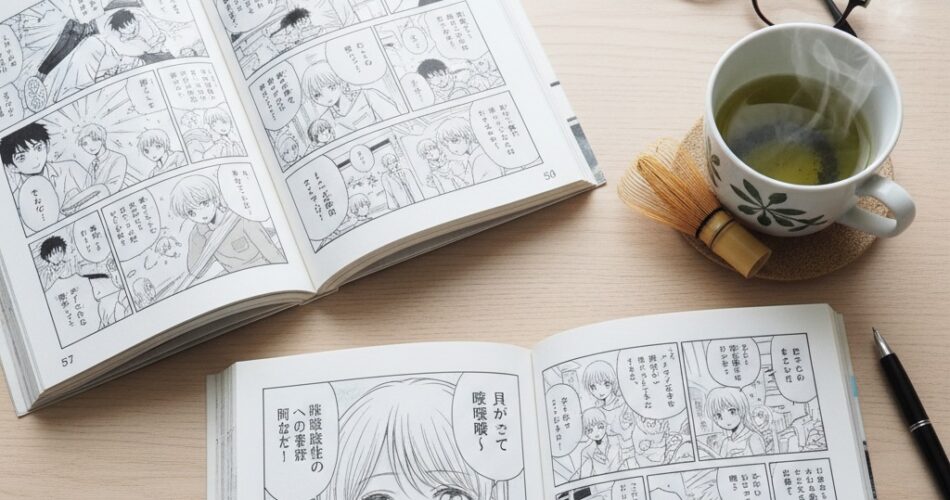
The anime industry has key roles and formats. “Manga” (漫画) is the original comic. It is often made by one artist, the “mangaka” (漫画家). Popular manga often get an “anime adaptation” (アニメ化, anime-ka). This involves animators, directors, and “seiyū” (声優). Seiyū are voice actors, and they are often very famous. The original story is called the “gensaku” (原作). Fans often debate if the anime is better than the gensaku. The animation “sutajio” (スタジオ) or studio is also very important to fans, as some are famous for their art style or “sakuga” (作画), meaning animation quality.
— Talking About Creators —
この漫画家さんの絵が好きです。
このまんがかさんのえがすきです。
Kono mangaka-san no e ga suki desu.
I like this manga artist’s drawings.
この (kono) = This
漫画家 (mangaka) = Manga artist
の (no) = ‘s (possessive)
絵 (え, e) = Picture / Drawing
が好きです (がすきです, ga suki desu) = I like
— Essential Creator Vocabulary —
漫画 (まんが, Manga) – Japanese comics
漫画家 (まんがか, Mangaka) – Manga artist / creator
声優 (せいゆう, Seiyū) – Voice Actor
原作 (げんさく, Gensaku) – The original work (e.g., the manga an anime is based on)
アニメ化 (アニメか, Anime-ka) – Anime adaptation (the act of making it an anime)
スタジオ (スタジオ, Sutajio) – Studio (e.g., animation studio)
作画 (さくが, Sakuga) – Animation quality / drawing
監督 (かんとく, Kantoku) – Director
Genres & Demographics
Manga and anime are not just for children. This is different from many Western views. They are sorted by target demographic (読者層, dokushasō). These groups hint at the themes and maturity level. However, many fans read series from all demographics. Beyond these four main groups, there are many popular genres (ジャンル, janru). “Isekai” (異世界), or ‘different world’, is very popular. “Nichijō” (日常), or ‘slice of life’, focuses on quiet, everyday moments. Other major genres include “mecha” (メカ) featuring giant robots, and “mahō shōjo” (魔法少女), or magical girl stories.
— Talking About Genres —
最近、異世界アニメをよく見ます。
さいきん、いせかいあにめをよくみます。
Saikin, isekai anime o yoku mimasu.
Recently, I often watch “different world” (isekai) anime.
最近 (saikin) = Recently
異世界 (isekai) = Different world (a fantasy genre)
を (o) = Object marker
よく (yoku) = Often
見ます (みます, mimasu) = To watch (polite form)
— Essential Genre Vocabulary —
少年 (しょうねん, Shōnen) – For young boys (e.g., One Piece, Jujutsu Kaisen)
少女 (しょうじょ, Shōjo) – For young girls (e.g., Sailor Moon, Fruits Basket)
青年 (せいねん, Seinen) – For adult men (e.g., Berserk, Vinland Saga)
女性 (じょせい, Josei) – For adult women (e.g., Chihayafuru, Natsume’s Book of Friends)
異世界 (いせかい, Isekai) – “Different world” (fantasy subgenre)
日常 (にちじょう, Nichijō) – “Slice of life” (everyday life genre)
メカ / ロボット (Meka / Robotto) – Mecha / Robot genre
魔法少女 (まほうしょうじょ, Mahō Shōjo) – Magical Girl
学園 (がくえん, Gakuen) – School (as a genre setting)
“Otaku” & Fan Culture
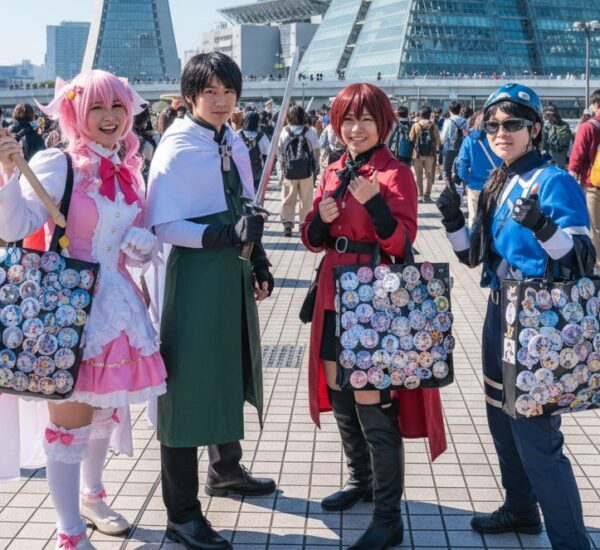
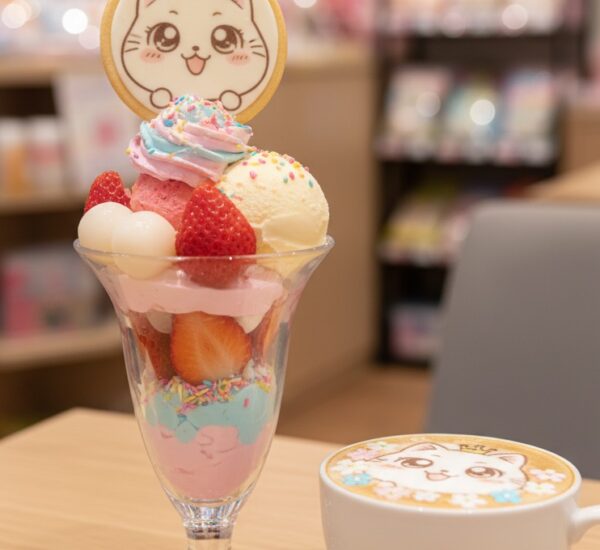
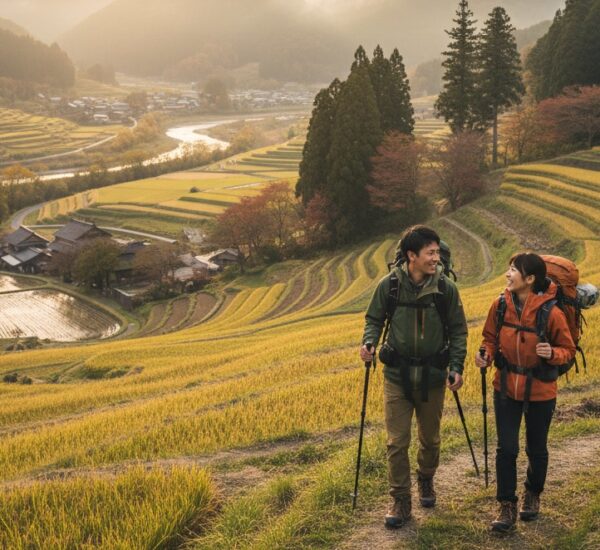
Fan passion is the industry’s lifeblood. This is often called “otaku” (オタク) culture. An otaku is someone with a deep, passionate interest. This culture includes “cosplay” (コスプレ). Cosplay is when fans dress as characters. Fans also create “dōjinshi” (同人誌), or fan-made comics. These are sold at huge events (イベント, ibento) like “Comiket” (コミケ). A key part of modern fan culture is the “oshi” (推し). This is your favorite character or idol, the one you support. Fans buy “guzzu” (グッズ), or merchandise, of their oshi. Another popular activity is “seichi junrei” (聖地巡礼). This is a ‘holy pilgrimage’ to visit the real-life locations shown in an anime.
— Talking About Fan Activities —
推しのキャラのグッズを集めています。
おしのきゃらのぐっずをあつめています。
Oshi no kyara no guzzu o atsumete imasu.
I am collecting merchandise of my favorite character.
推し (oshi) = One’s favorite (the one you support)
の (no) = ‘s (of)
キャラ (kyara) = Character
グッズ (guzzu) = Merchandise (“goods”)
を集めています (をあつめています, o atsumete imasu) = Am collecting
— Essential Fan Culture Vocabulary —
オタク (オタク, Otaku) – A dedicated fan / enthusiast
推し (おし, Oshi) – One’s favorite character or idol (the one you “push” or support)
コスプレ (コスプレ, Kosupure) – Cosplay (costume play)
同人誌 (どうじんし, Dōjinshi) – Fan-made comics or magazines
コミケ (コミケ, Komike) – Comic Market (a massive dōjinshi convention)
聖地巡礼 (せいちじゅんれい, Seichi Junrei) – “Holy land pilgrimage” (visiting real-life anime locations)
イベント (イベント, Ibento) – Event (e.g., fan meeting, convention)
沼 (ぬま, Numa) – “Swamp” (slang for being hopelessly obsessed with a hobby or character)
The History of Anime & Manga (アニメと漫画の歴史)
The “history” (歴史, rekishi) of manga is long. Some trace its roots to 12th-century scrolls like the “Chōjū-giga” (鳥獣戯画). Modern manga was also influenced by “ukiyo-e” (浮世絵) woodblock prints. However, the form we know today exploded in the “post-war” (戦後, sengo) period. This era was led by “Tezuka Osamu” (手塚治虫), known as the “God of Manga” (漫画の神様, manga no kamisama). He established many storytelling techniques. Anime followed, with Tezuka’s “Tetsuwan Atom” (鉄腕アトム) in 1963 becoming the first major TV series and setting the standard for the industry’s “development” (発展, hatten).
— Talking About History —
手塚治虫は「漫画の神様」と呼ばれています。
てづかおさむは「まんがのかみさま」とよばれています。
Tezuka Osamu wa “manga no kamisama” to yobarete imasu.
Osamu Tezuka is called the “God of Manga”.
手塚治虫 (Tezuka Osamu) = Osamu Tezuka (person’s name)
は (wa) = Topic marker
漫画の神様 (まんがのかみさま, manga no kamisama) = God of Manga
と (to) = (Quotation particle)
呼ばれています (よばれています, yobarete imasu) = Is called (passive form)
— Essential History Vocabulary —
歴史 (れきし, Rekishi) – History
戦後 (せんご, Sengo) – Post-war (specifically post-WWII)
手塚治虫 (てづかおさむ, Tezuka Osamu) – Osamu Tezuka
漫画の神様 (まんがのかみさま, Manga no Kamisama) – God of Manga
鳥獣戯画 (ちょうじゅうぎが, Chōjū-giga) – “Scrolls of Frolicking Animals” (an early precursor)
浮世絵 (うきよえ, Ukiyo-e) – Woodblock prints (an artistic influence)
鉄腕アトム (てつわんアトム, Tetsuwan Atomu) – Tetsuwan Atom (Astro Boy)
発展 (はってん, Hatten) – Development / Growth
黄金時代 (おうごんじだい, Ōgon Jidai) – Golden Age
Key Slang and Online Terms
Online fan communities have their own “slang” (スラング, surangu) and “internet terms” (ネット用語, netto yōgo). A very important word is “netabare” (ネタバレ), or “spoiler,” and warning for them is key. When an episode is amazing, fans call it a “kamikai” (神回), or “god-tier episode.” Conversely, when the animation quality drops, it’s called “sakuga hōkai” (作画崩壊), or “animation collapse.” Fans also use “moe” (萌え) to describe a specific feeling of cute affection for a character. A moment or character that is overwhelmingly precious can be described as “tōtoi” (尊い).
— Talking With Slang —
昨日のアニメ、神回だったね!
きのうのあにめ、かみかいだったね!
Kinō no anime, kamikai datta ne!
Yesterday’s anime episode was god-tier, wasn’t it!
昨日 (きのう, kinō) = Yesterday
の (no) = ‘s (of)
アニメ (anime) = Anime
神回 (かみかい, kamikai) = “God episode” / Amazing episode
だった (datta) = Was (casual)
ね (ne) = …right? / …wasn’t it? (seeking agreement)
— Essential Slang Vocabulary —
ネタバレ (ネタバレ, Netabare) – Spoiler
神回 (かみかい, Kamikai) – “God episode” (an amazing, legendary episode)
作画崩壊 (さくがほうかい, Sakuga Hōkai) – “Animation collapse” (poor animation quality)
死亡フラグ (しぼうフラグ, Shibō Furagu) – “Death flag” (a sign a character is about to die)
萌え (もえ, Moe) – A strong, affectionate feeling (often for a character)
尊い (とうとい, Tōtoi) – “Precious” / “Sublime” (feeling of overwhelming adoration)
さすが (さすが, Sasuga) – “As expected” (used to praise, e.g., “As expected of the main character!”)
炎上 (えんじょう, Enjō) – “Flaming” (an online controversy or flame war)
Read More: